
Guided Site tours
In the heart of the city

Palazzo Butera
Palermo is experiencing an extraordinary cultural and artistic revival, driven by the restoration of its historic center, which has brought one of the world’s most important historical and architectural heritages back to life. After decades of neglect and damage caused by World War II, the city has become a model of urban regeneration. An outstanding example of this renewal is Palazzo Butera, a historic building that houses an art collection of exceptional quality.
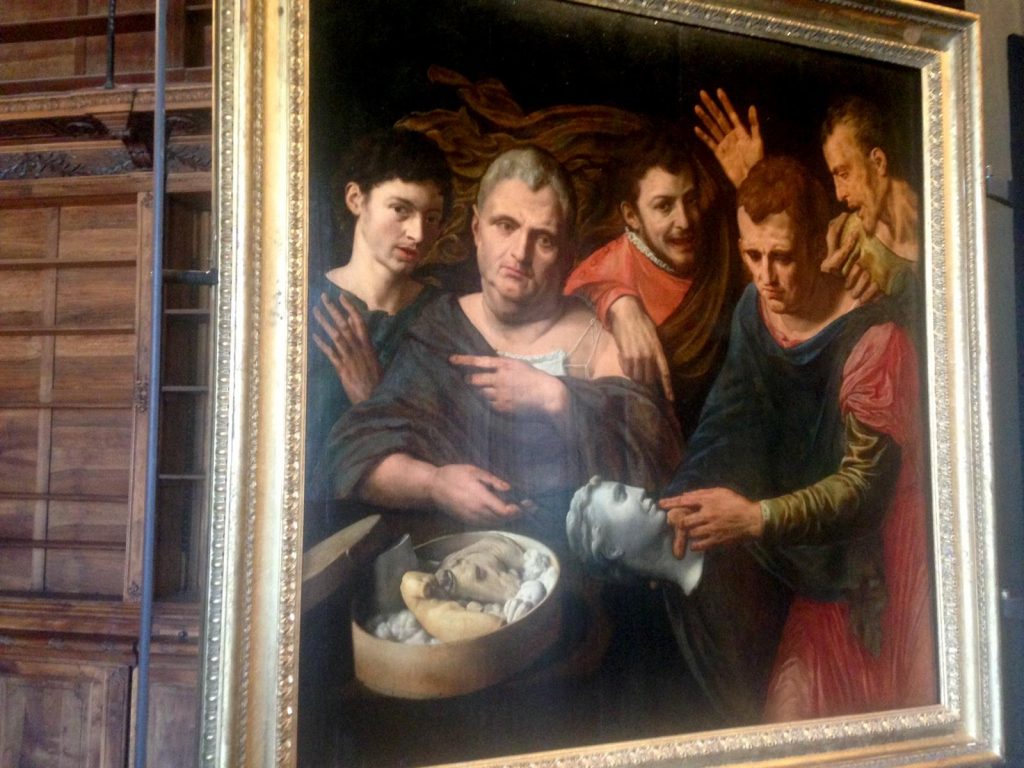
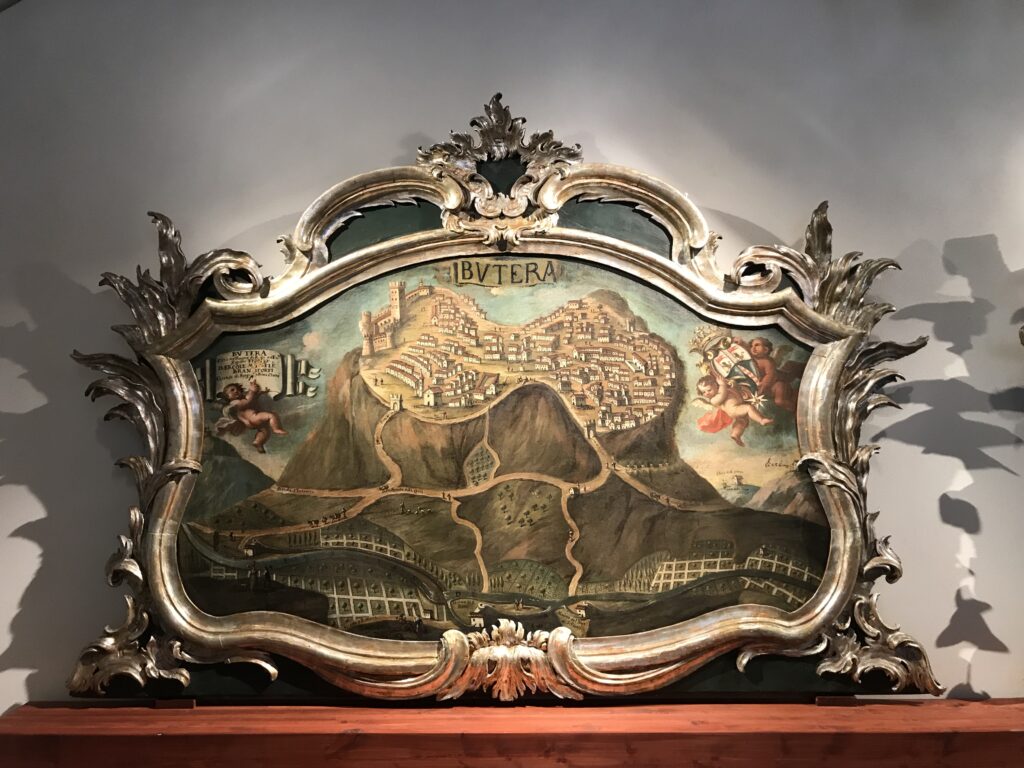
Massimo and Francesca Valsecchi, internationally renowned art collectors, chose Palermo to exhibit their extensive art collection. Works that were once displayed in museums in Oxford and Cambridge are now open to the public at Palazzo Butera, one of the most grand and significant eighteenth-century palaces in Sicily.
Here are the words of Massimo Valsecchi:
“Today, migration represents a factor of crisis for the European project, and Sicily, with its millennia-old history, can once again serve as an example of welcome and integration. In Sicily, in Palermo, the Kalsa district bears the marks of this historical and cultural layering, which forms the backdrop to the rebirth of Palazzo Butera.”
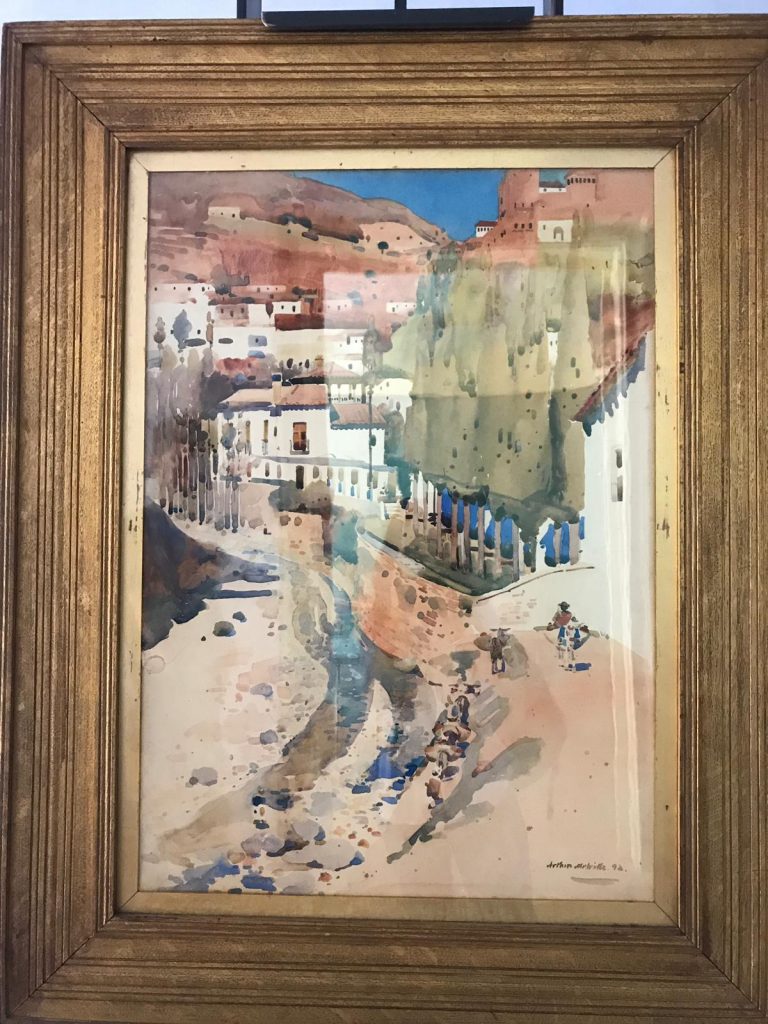
Let yourself be captivated by masterpieces by artists such as Antonio Corradini, Arthur Melville, David Tremlett, and many others. Outstanding contemporary works will leave a lasting impression, whether they are creations by Issey Miyake, Anne and Patrick Poirier, or numerous other fascinating artists.
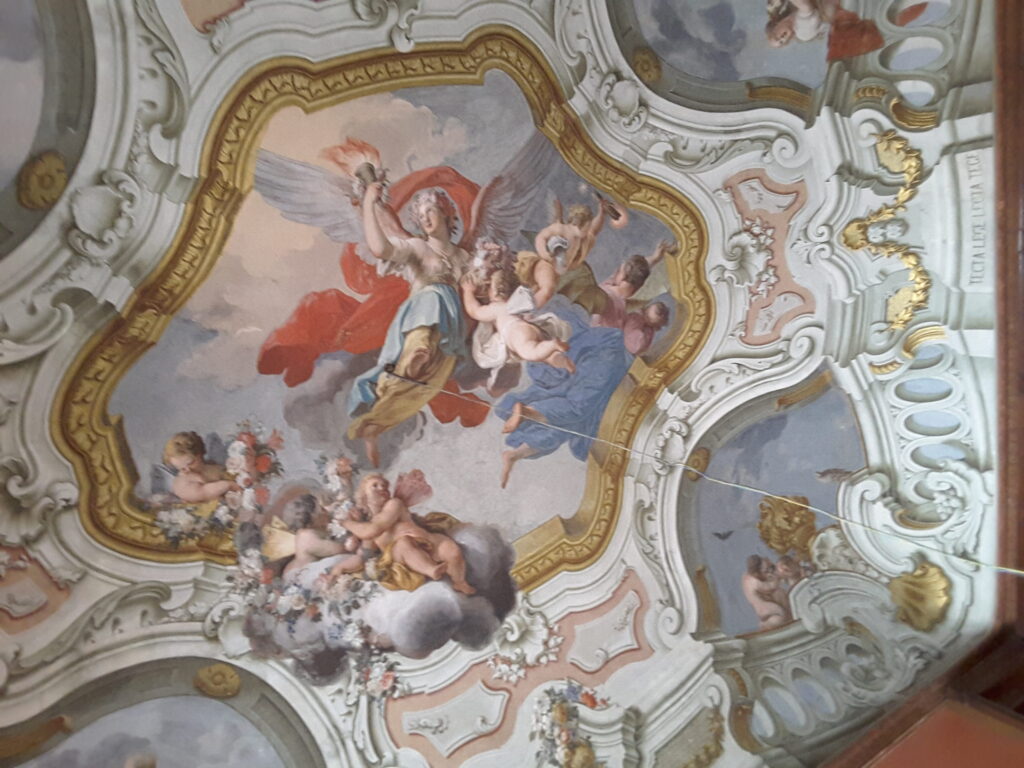
Palazzo Butera is also an architectural masterpiece designed by Giacomo Amato, one of the leading Sicilian architects of the eighteenth century. Walking through its rooms is a journey through time, between art and history. The monumental staircase in Sicilian red marble and the terrace covered with colorful majolica tiles offer breathtaking views over the sea and the historic city center.
From the tower, visitors can enjoy spectacular panoramic views, and no one leaves without taking a photo of the terrace on the piano nobile. Upon request, and for an additional fee, it is possible to enrich the visit by accessing selected private rooms of the palace.
See also
Outside the city
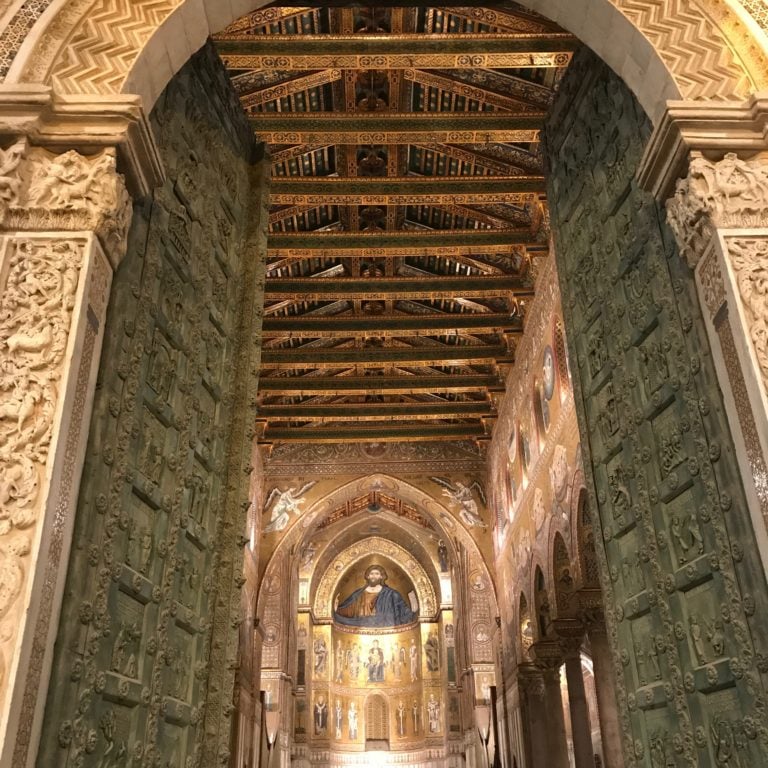
Monreale Cathedral and Benedictine Cloister
In the heart of the city
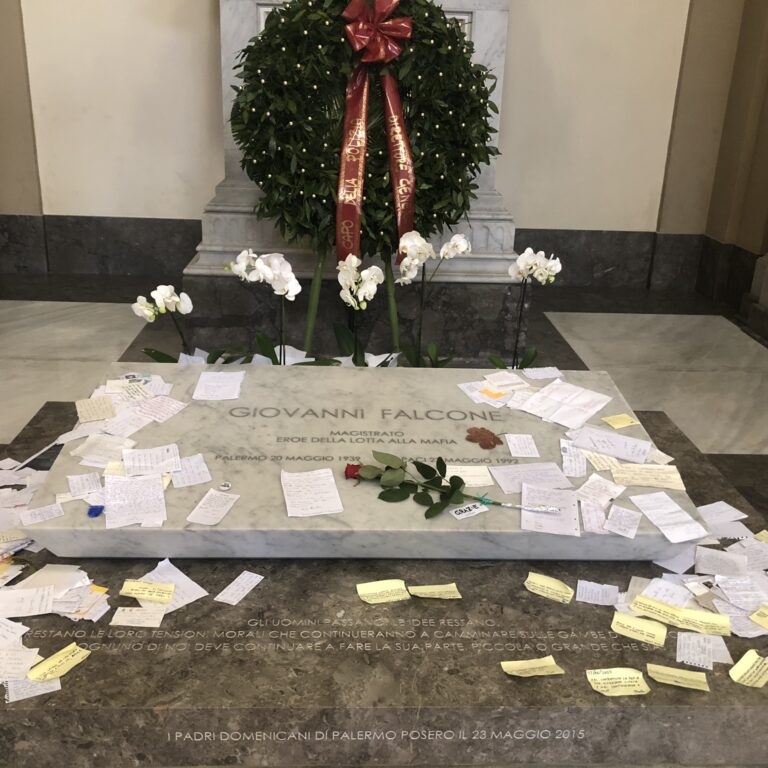
Mafia: a Walking Tour to Understand Its Origins and Those Who Fought It