
Palermo fights the mafia by raising its voice in anger, calling for justice for those who paid for their anti-mafia commitment with their lives, and demanding the right to know the truth about both notorious and lesser-known murders.
Palermo also fights the mafia silently, with patience, in courtrooms, seeking to uncover the hidden masterminds behind mafia crimes. Palermo fights the mafia every day by supporting and preserving the memory of crimes committed and the heroic acts witnessed throughout its history.
Palermo fights

Palermo Fights! The city has not stood by while its bravest children—often unknown heroes—fell victim to the will and power of the Mafia and the corrupt parts of the institutions.
Palermo has reacted and continues to react, openly opposing illegality in many ways. It supports those who refuse to pay the pizzo (protection money), shows solidarity with the most vulnerable members of the population, and multiplies initiatives teaching legal awareness to young people.
The city rediscovers its oldest parts and slowly brings them back to life. It draws attention to forgotten and degraded neighborhoods, transforming them almost into open-air contemporary art museums through the language of street art.
Palermo fights!

Antimafia
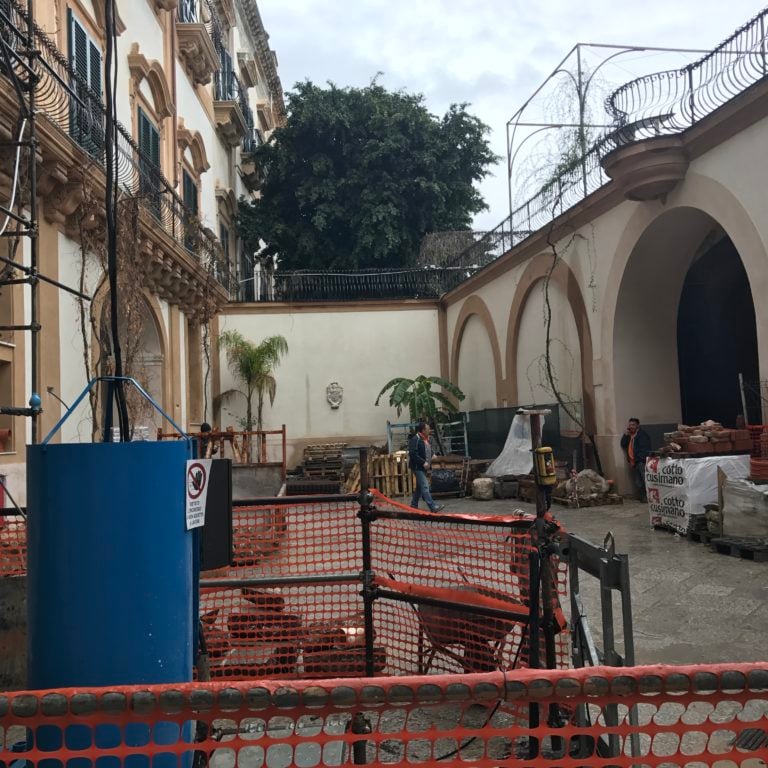
Historic Center Regeneration
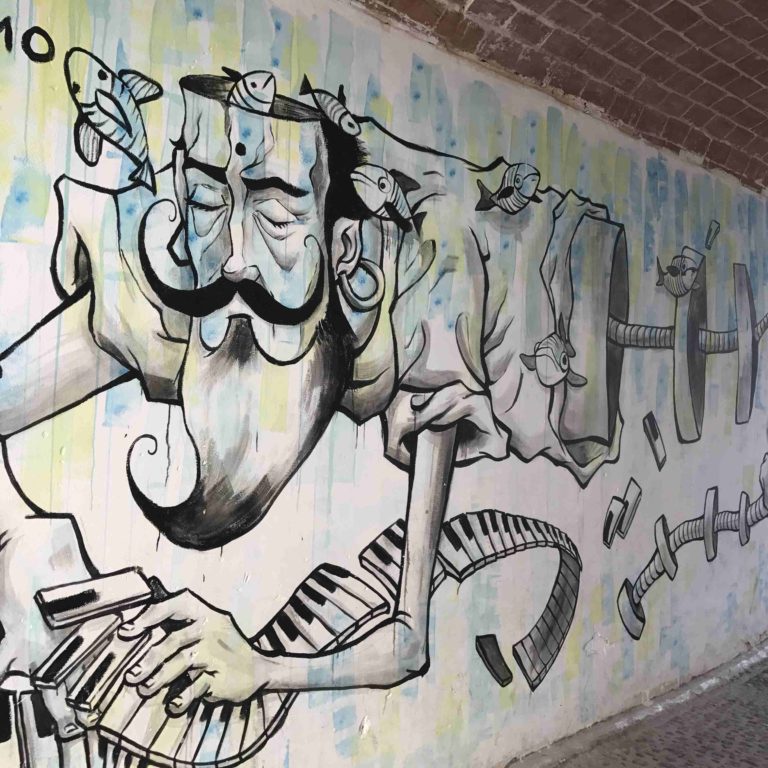
Street Art
Antimafia
Historic Center Regeneration
Palermo responds to decades of neglect and abandonment of its urban fabric through regeneration. The now unstoppable process of renewal of the historic center—one of the largest in the world—has been underway for about 25 years, restoring churches, noble palaces, streets, and monumental squares to their original splendor. Many of these spaces have been closed to traffic and transformed into open-air living rooms.
Traditional craftsmanship and artisanal know-how are being rediscovered, small businesses and workshops are flourishing, and with distinctly southern creativity, the city is pushing back against its historically high unemployment rate.
Street Art
In the most neglected areas of the historic center—where the pleas of local residents went unheard by institutions for far too long—people enthusiastically embraced a new and different way to make their voices heard.
Artists from different countries, through murals and street art, brought color and protest to buildings and ruins in neighborhoods such as Borgo Vecchio, where even children became protagonists in the regeneration process. This path of renewal, promoted by numerous associations, is now active in several other areas of the city as well.