
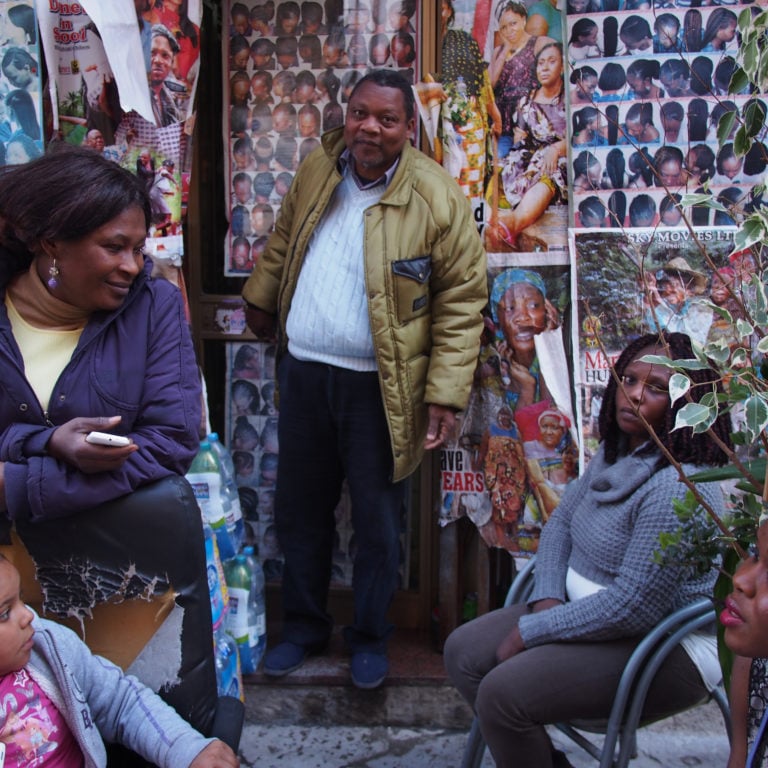
n Palermo, multicultural coexistence is an attitude rooted in centuries of history, a reality that continues today and is supported by both civil society and the municipality. Numerous cultural and commercial activities are jointly run by Palermitans and foreigners, especially in the fields of food, fashion, and craftsmanship.
It is emblematic that precisely in this city—going against the trend toward the construction of separating barriers seen in much of the Western world—the Palermo Charter was written. This document asserts the right of every human being, simply by virtue of being human, to freedom of movement, meaning the right to choose where to live.
Palermo supports

Palermo Supports! In the Mediterranean, the tragedy of the shipwreck of peoples, cultures, and hopes unfolds, and Palermo stands in contrast to most voices coming from Europe. The city publishes the “Palermo Charter”, a document aimed at recognizing the rights of migrants. Every person has the right to fundamental values such as life and dignity.
Countless initiatives of support are carried out by institutions and civil society on behalf of the most vulnerable: foreigners, children, and disadvantaged young Palermitans. Various associations transform confiscated assets from organized crime into entrepreneurial paths for youth, promoting local excellence.
Palermo supports!
Migrants and integration
Childhood
Repurposing of Mafia Assets
Migrants and integration
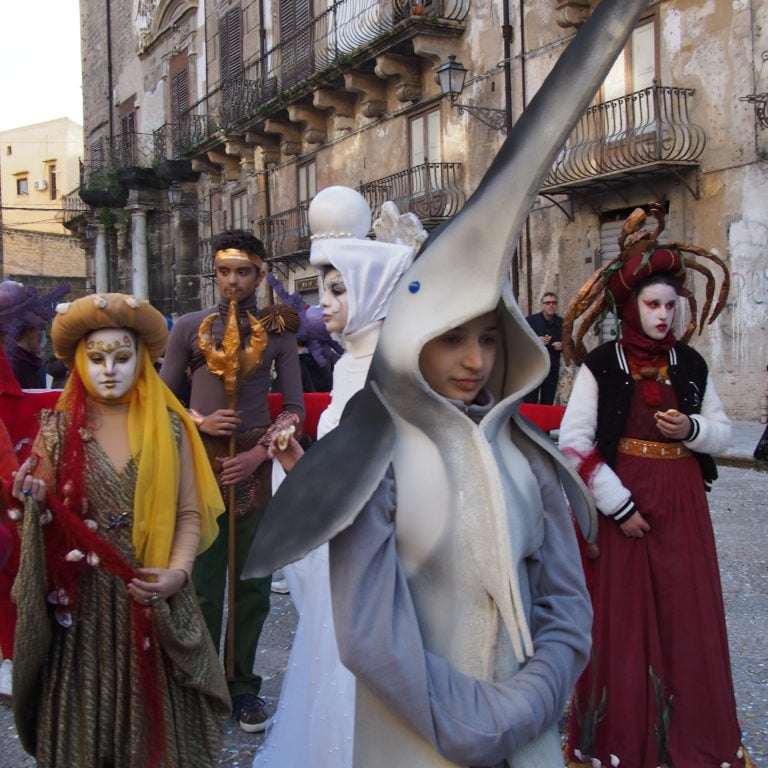
Childhood
Denied childhood, low school attendance, and mafia control over the future workforce of criminal organizations in Palermo’s poorest neighborhoods are unfortunately still widespread.
The heroic opposition of Father Pino Puglisi, who paid with his life for his commitment to “his kids” in the Brancaccio district, is remembered and honored. The “Padre Nostro” center continues the priest’s work in supporting minors, and similarly, the “Casa di Paolo” carries on initiatives inspired by the home where Judge Paolo Borsellino spent his childhood.
Even the Malaspina juvenile detention center promotes projects related to theater and small entrepreneurial activities, aiming to steer minors away from criminal involvement.
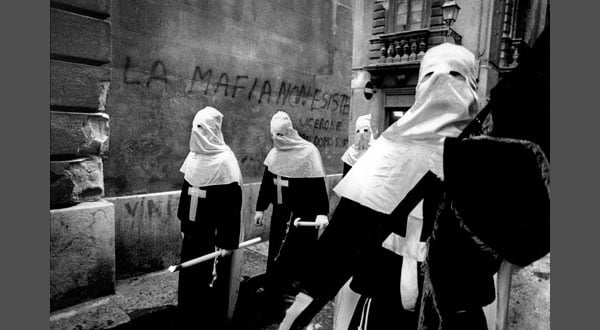
Repurposing of Mafia Assets
Pio La Torre, a Sicilian deputy assassinated by the mafia in 1982, succeeded, at the cost of his life, in promoting a law for the confiscation of mafia assets. Today, the fruits of his sacrifice are finally visible, with many properties seized from organized crime entrusted to young entrepreneurs aiming to revive a healthy economy.
These initiatives make productive use of traditional resources, from agricultural products and wine to tailoring and seafood. Addio Pizzo, Libera Terra, and Cento Passi are among the best-known organizations managing some of these assets.